There comes a moment in a renovation when the kitchen stops being just an aesthetic update and becomes a more thoughtful decision. It happens when you choose not to replace everything, but to work with what’s already there and improve it.
This project in Aurora, Illinois (USA), developed by our partner Archisesto, starts exactly there: a measured intervention that enhances the existing space without altering its balance, introducing materials, functions and details that shift how the kitchen is used day to day.
The same approach appears in other projects by the studio in Chicago, where the island is explored in different ways: double compositions that organise functions, and more essential solutions, carefully tailored.
We spoke with Giacomo Ferrucci, founder of Archisesto, about this project.
At a glance
What was the client’s initial request?
The existing kitchen was entirely white. Functional, but it needed something more.
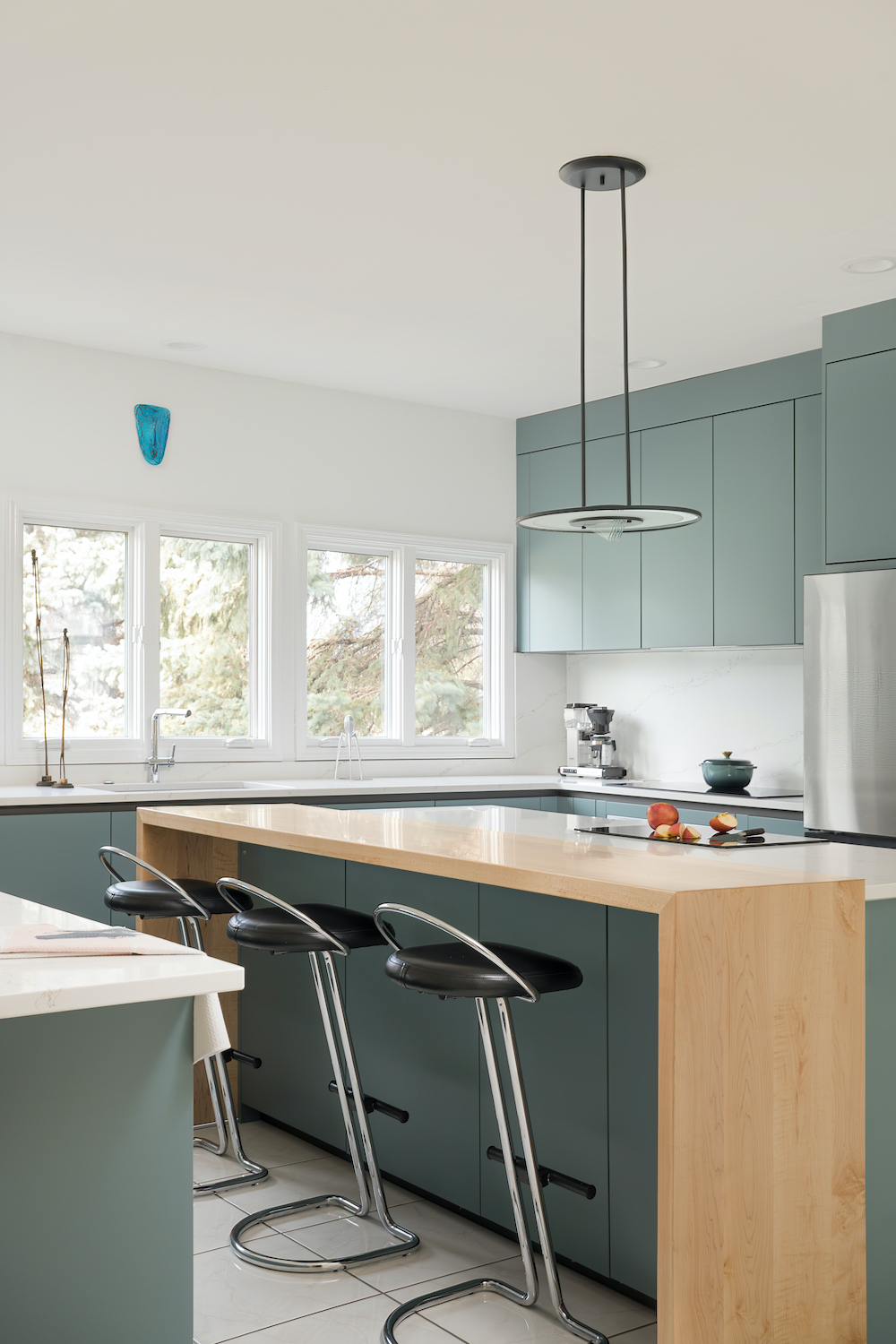
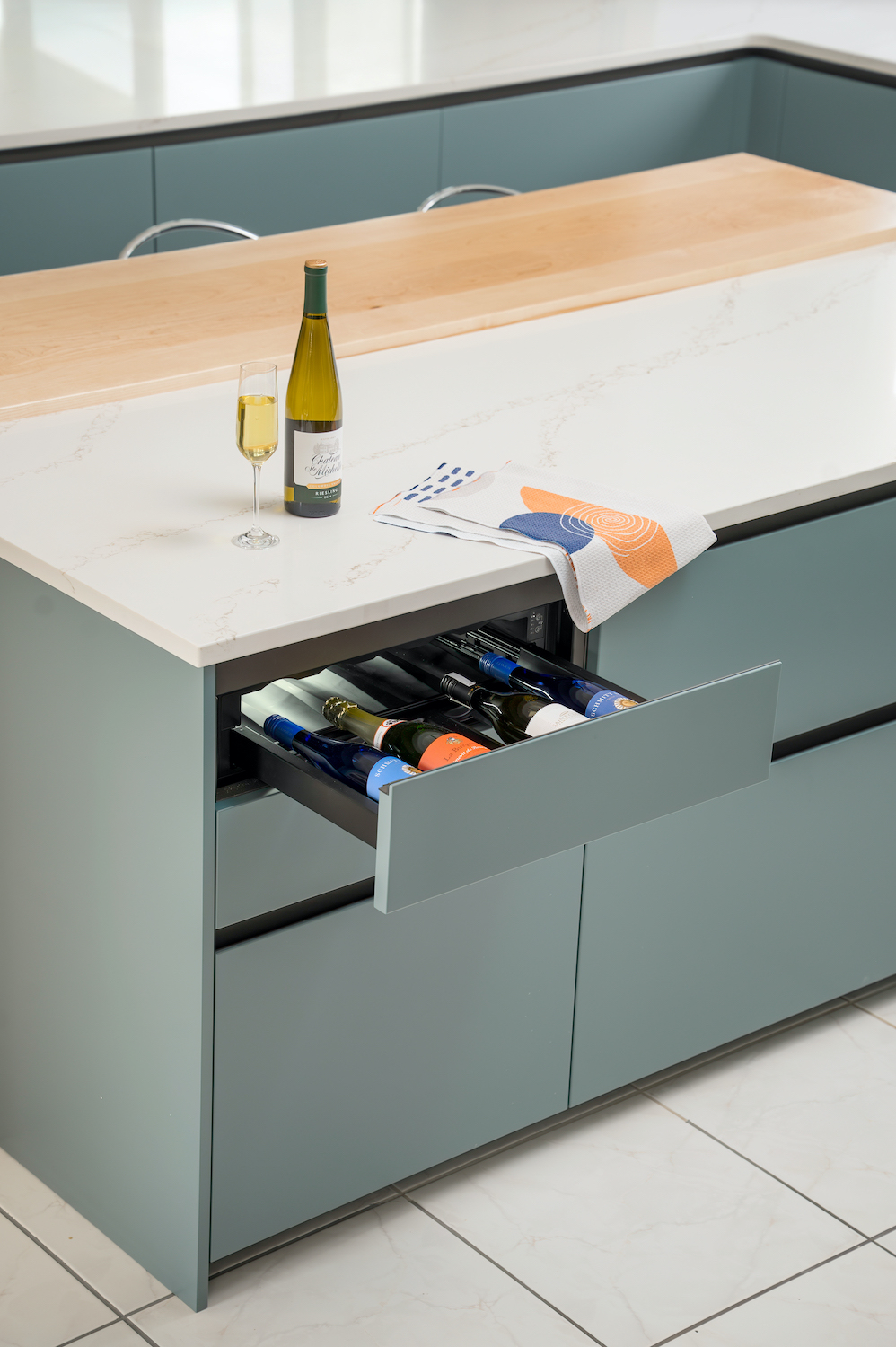
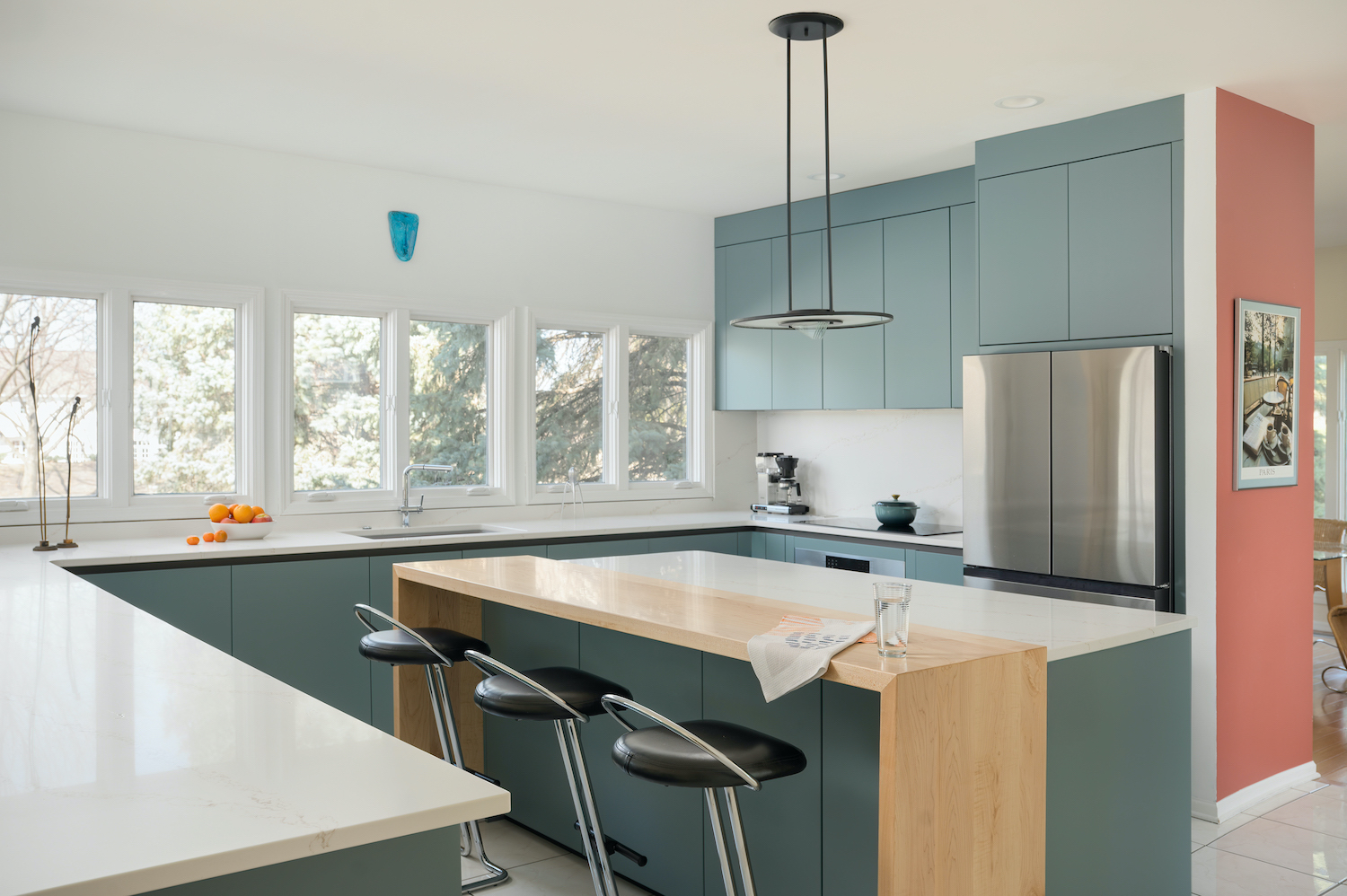
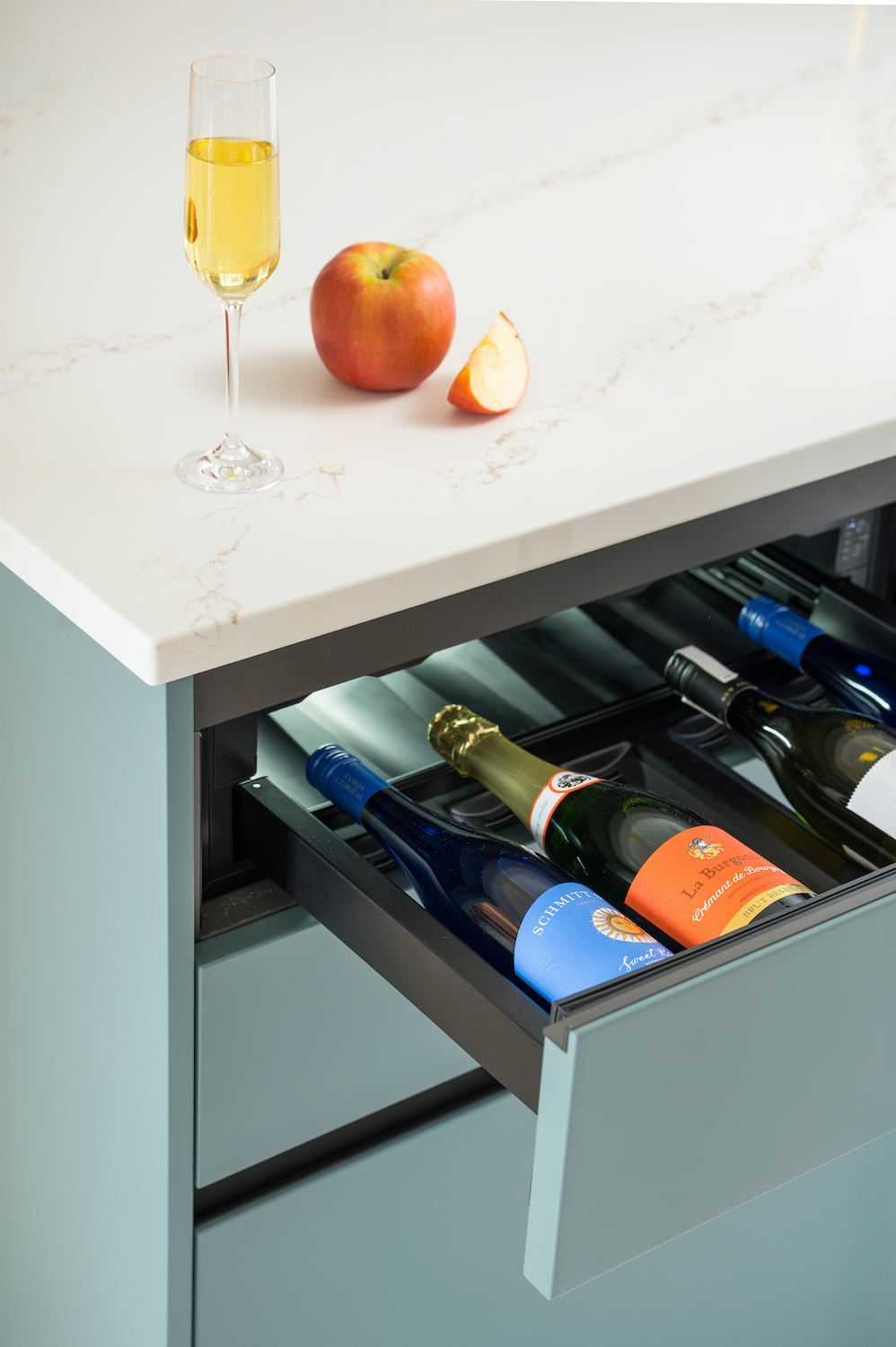
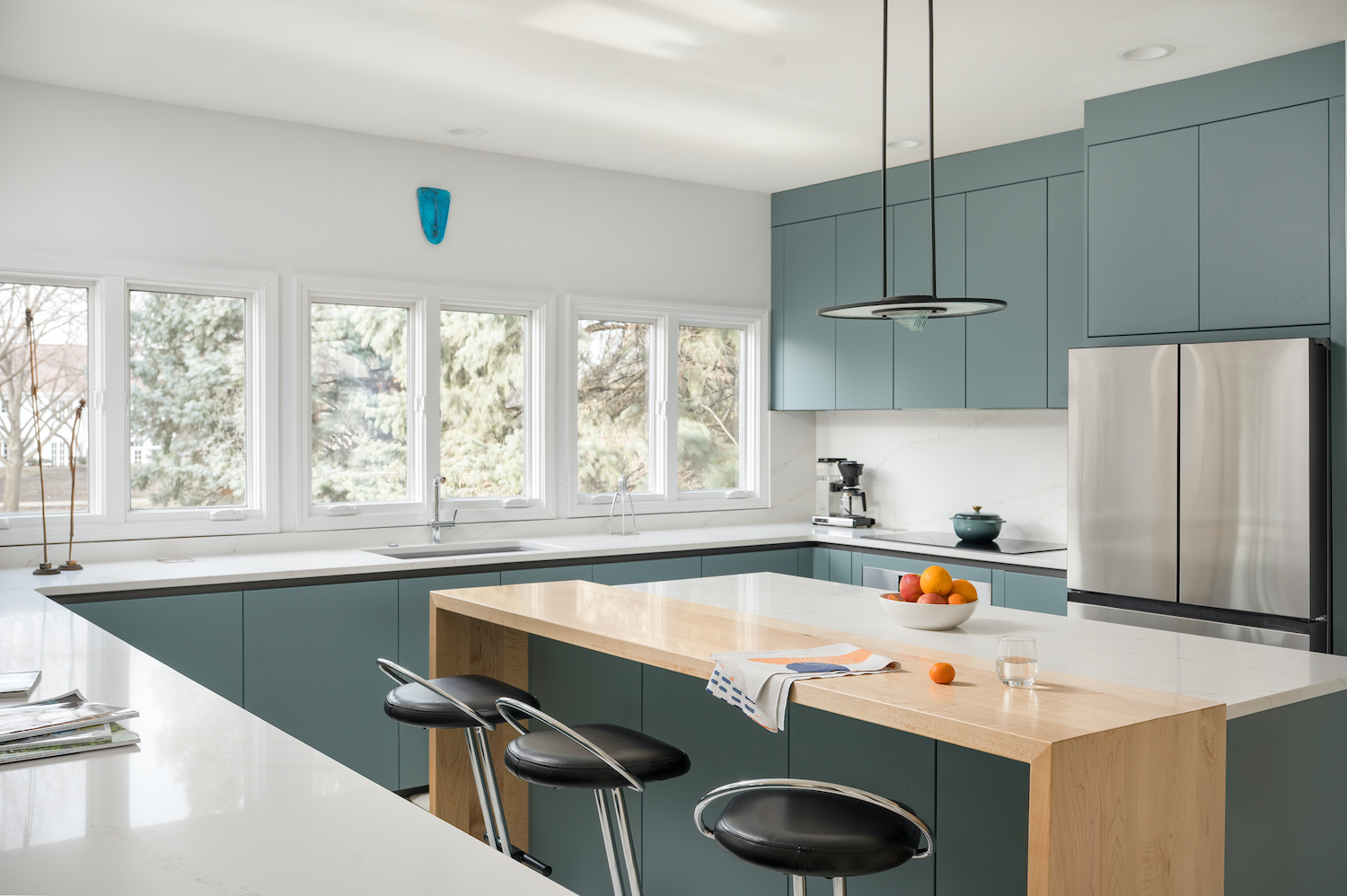
The request was clear: keep the layout, but work on colour and usability. The island had to include a breakfast area, along with additional elements such as a wine cooler and space for a microwave.
A practical brief, built on specific needs, without changing the structure but rethinking how the space could be used.
How was the concept defined?
The starting point was very clear: the client had chosen the Kate collection by Zecchinon.
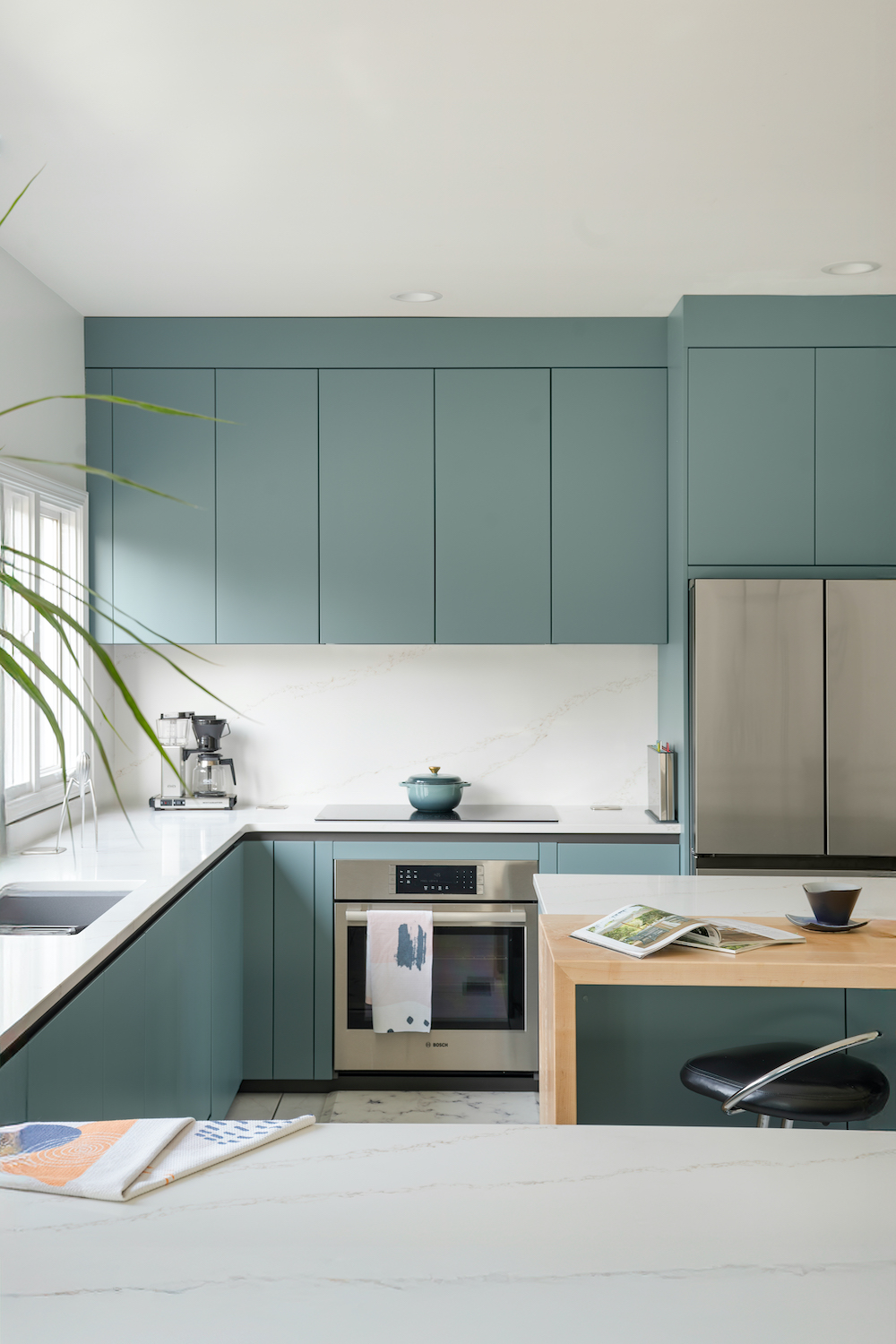
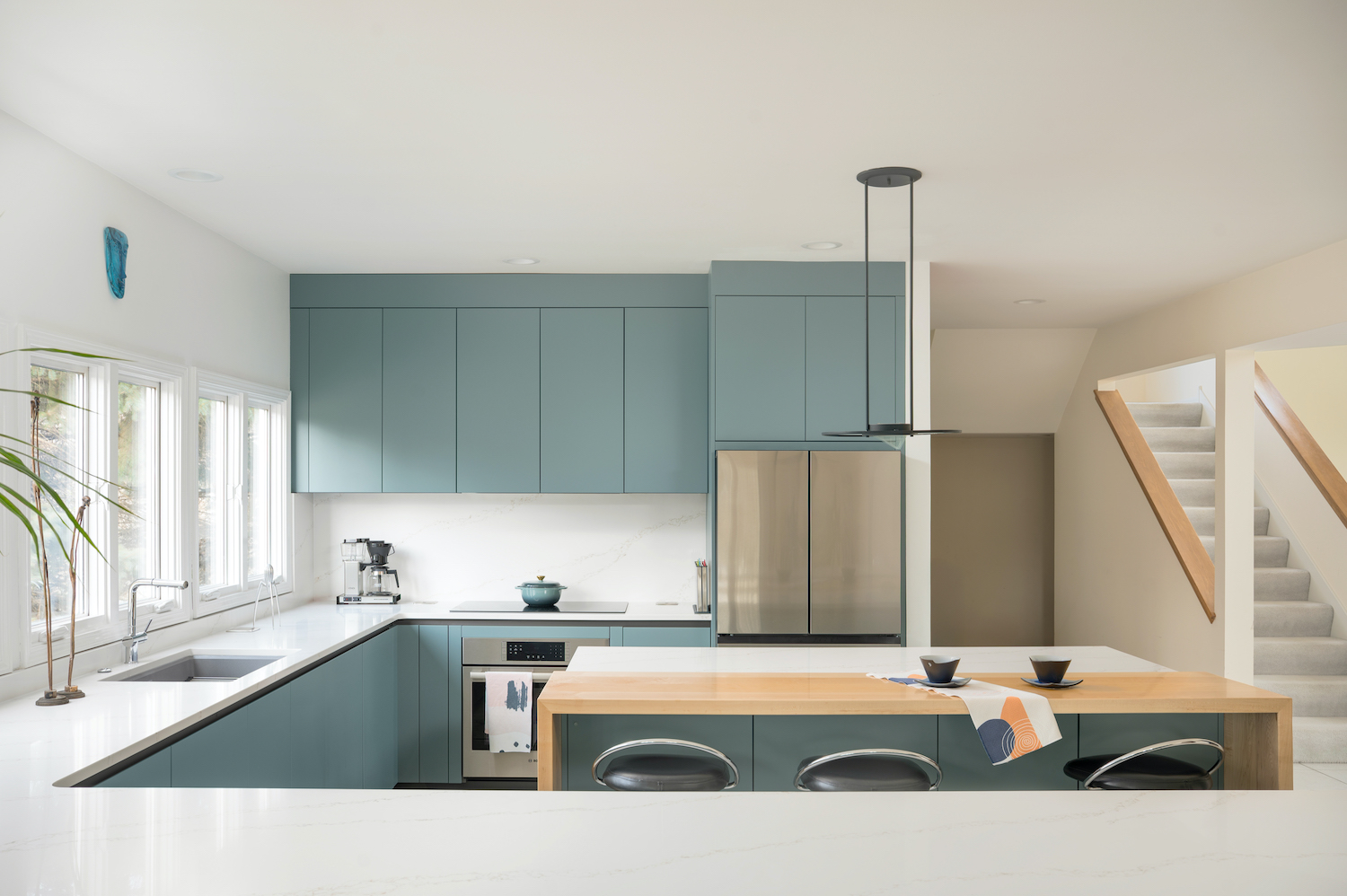
From there, colour shaped the project. A matte lacquer finish introduced a stronger tone than the previous white, without making the space feel heavier.
The kitchen is built on balance: continuous surfaces, solid volumes, and wood details that warm the island and define its role.
This reflects a broader shift in kitchen design, where materials and colour are used as real design tools.
How did modularity influence the project?
In a very concrete way.
The existing layout came with constraints. Modularity made it possible to work within them, adapting each element with precision.
Most of the kitchen is based on standard components, with very limited bespoke work. This helped keep the project consistent, without forcing any solutions.
Was there a detail that made the difference?
Not a single detail, but the range of possibilities within the system.
In this case, the variety of options allowed us to respond to specific requests without introducing complex or invasive changes.
The collaboration with Zecchinon’s technical department was also key. It allowed every request to be translated into a clear solution, while keeping the overall design coherent.
The result is a kitchen that fully reflects what the client had in mind.
How are client requests changing today?
In recent years, one trend has become more evident: clients are increasingly influenced by what they see on social media, where trends change quickly.
Colours, materials and layouts often repeat, and the client’s identity tends to fade.
This project moves in the opposite direction. It’s not a replication, but a specific response: a kitchen shaped around the space and the person using it.
This project shows that you don’t need to change everything to achieve something new.
Sometimes it’s enough to adjust proportions, rethink colour, add a function, or introduce a different material. To rethink how the space works, rather than the space itself.


What do you think?