Cocktail culture: five cities, five stories to savour

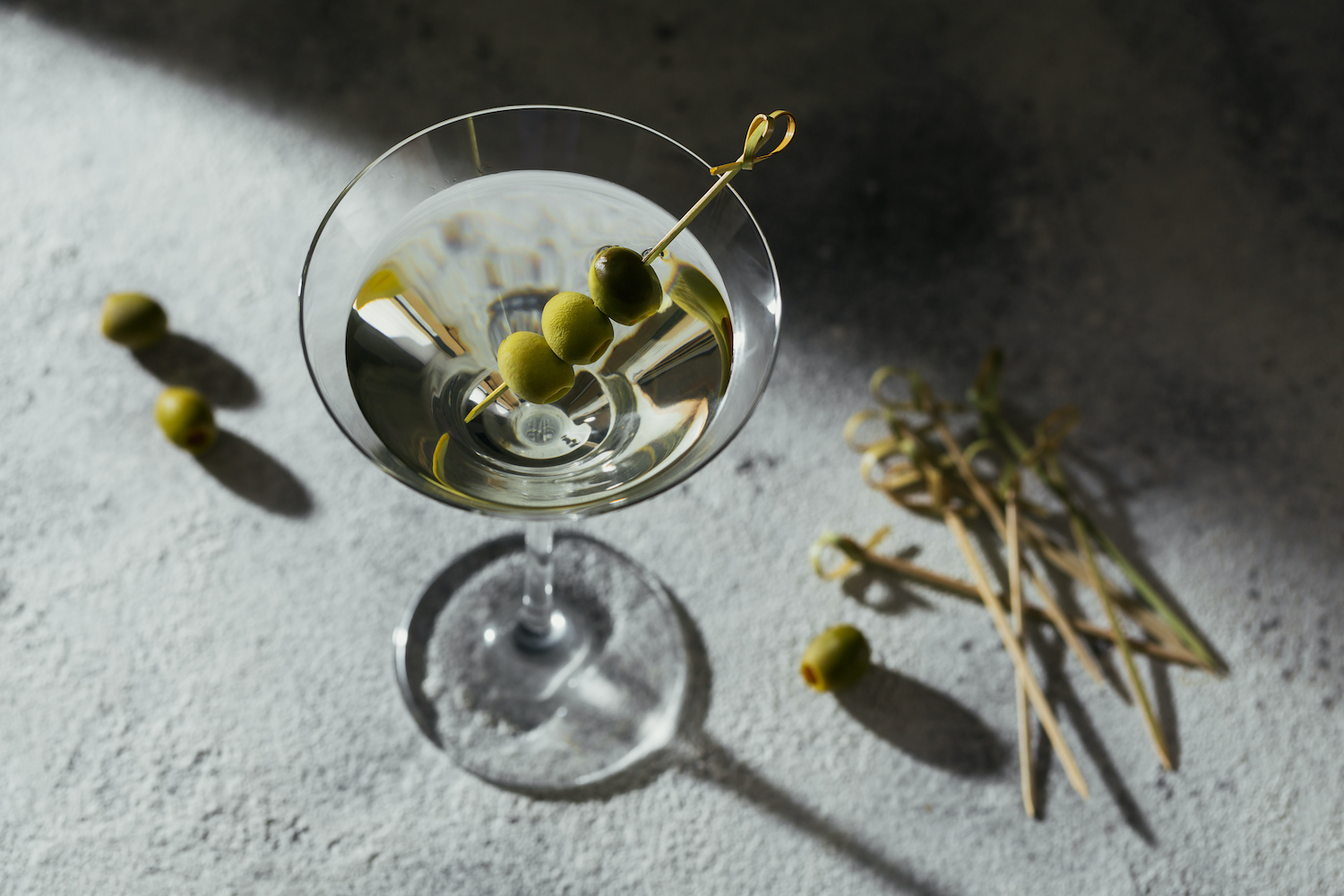
Visione dall'alto di un Martini con olive

The lights dim, someone takes a seat at the bar and the bartender begins preparing the first drink of the evening.

It is a familiar scene in cities that could hardly be more different. The interiors change, as does the way drinks are served, but above all, the cocktails change. Some belong to the history of a place; others arrived over time and found a new identity there. Others simply connect our thoughts to a particular imagery, perhaps from a film, a book or a song heard in a past we can barely remember.

Inspired by the atmospheres behind the 2026 collections, we selected five destinations to explore through a cocktail. A journey that begins in 1920s Paris and reaches Turin’s historic cafés, following stories and rituals connected with drinking culture.

At a glance

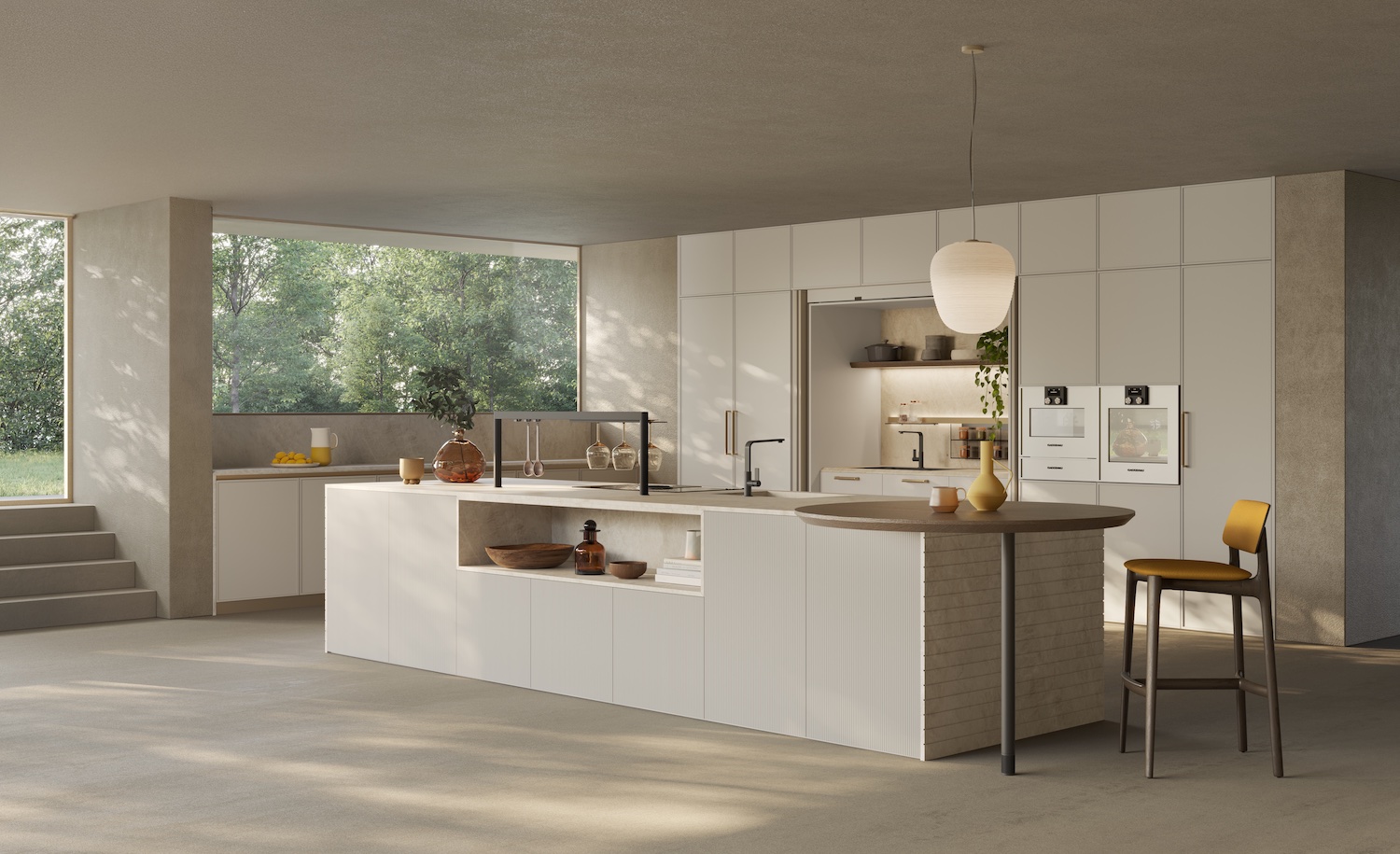
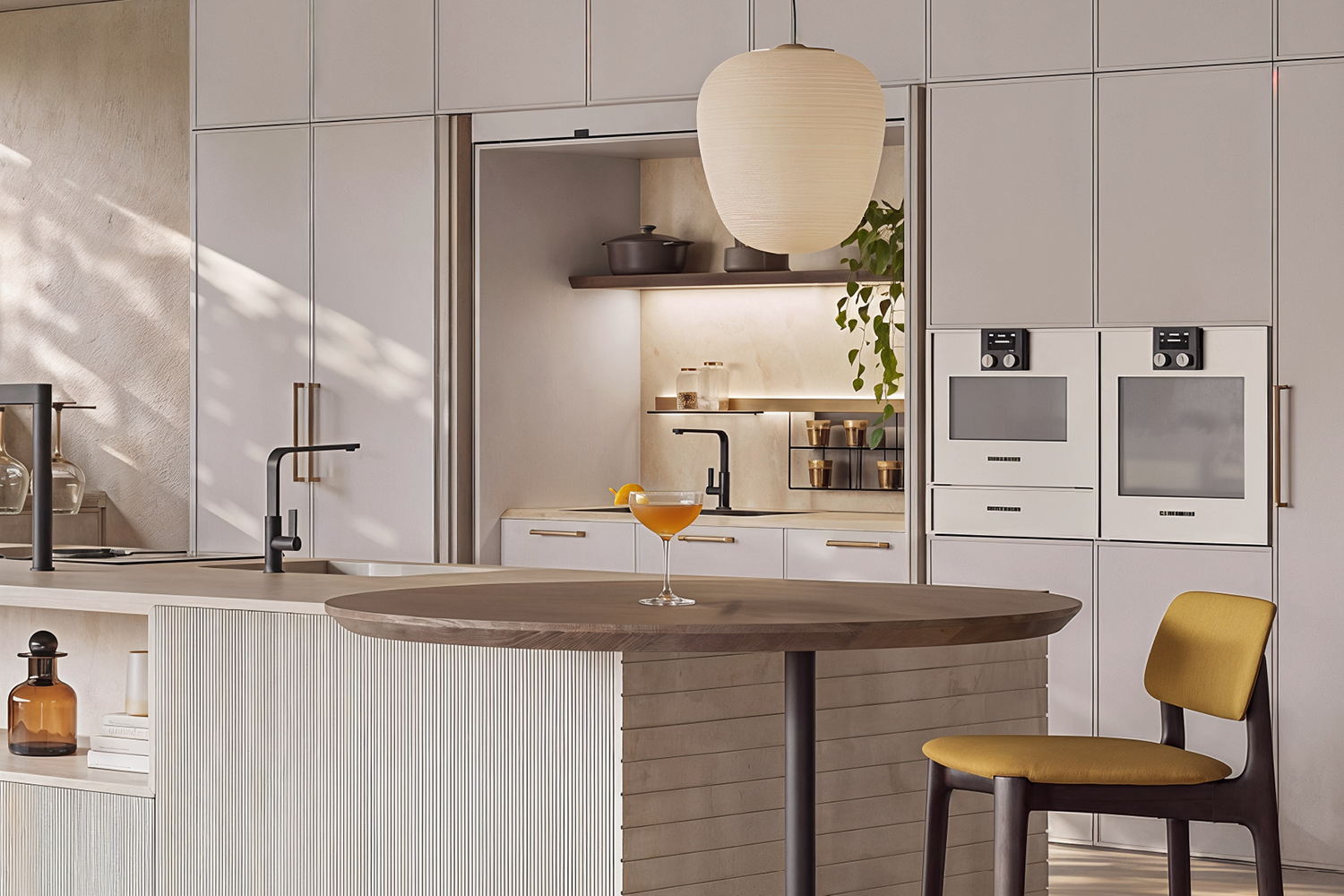
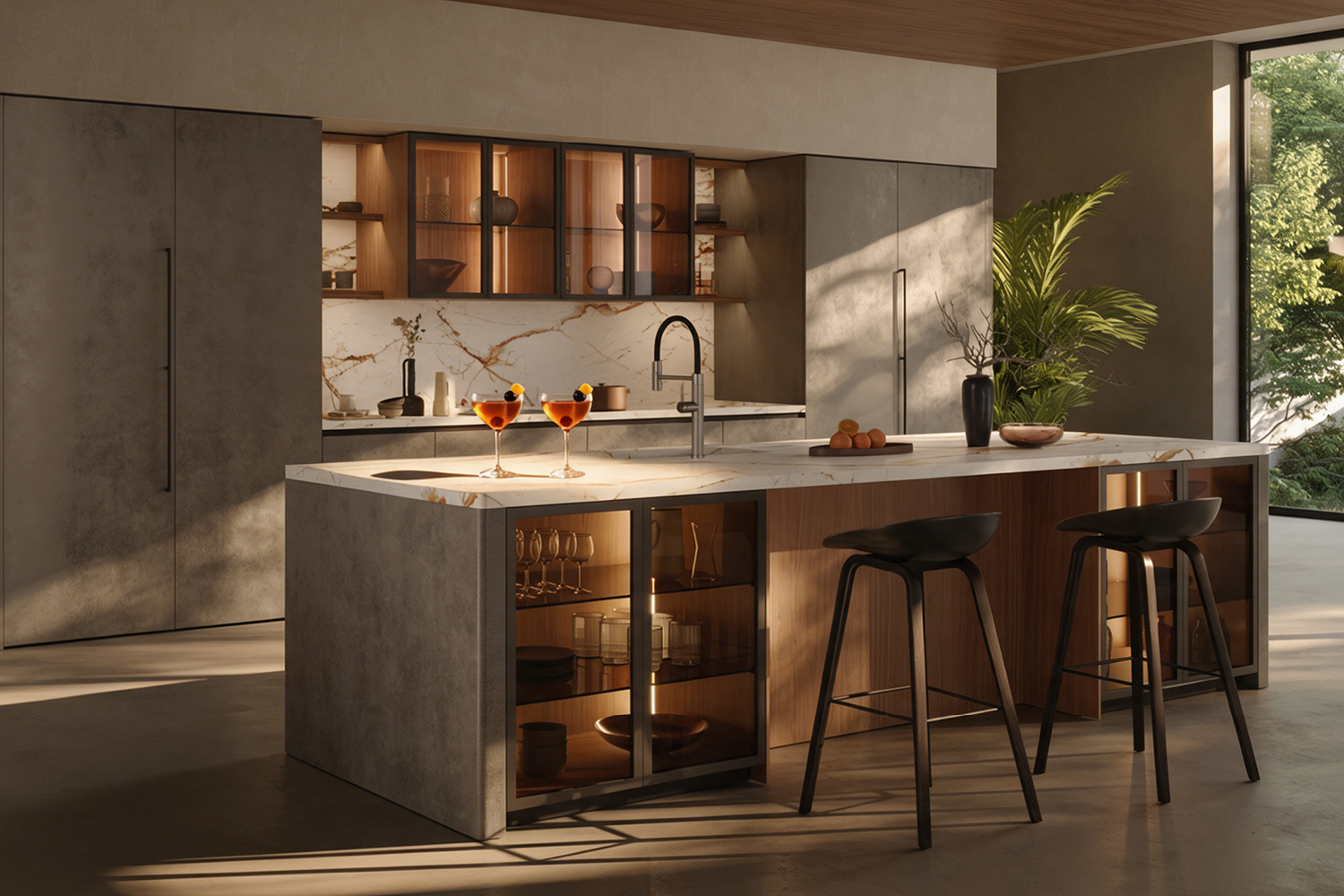
A Sidecar cocktail at the Zecchinon kitchen table, made from a light-coloured technical material, with an upholstered stool and modern lighting

Paris in the 1920s. A Sidecar at the bar

An American army captain, a motorcycle with a sidecar and a bar he visited regularly. This is one of the stories surrounding the origins of the Sidecar, although no one has ever been able to establish with certainty where it was invented. Paris and London continue to dispute its birthplace.

What we do know is that the cocktail appears in recipe books from the 1920s, when the French capital was enjoying an especially vibrant period and the bars of international hotels were among the centres of its social scene.

In the glass: cognac, triple sec and fresh lemon juice. Shake with ice and strain into a pre-chilled coupe.

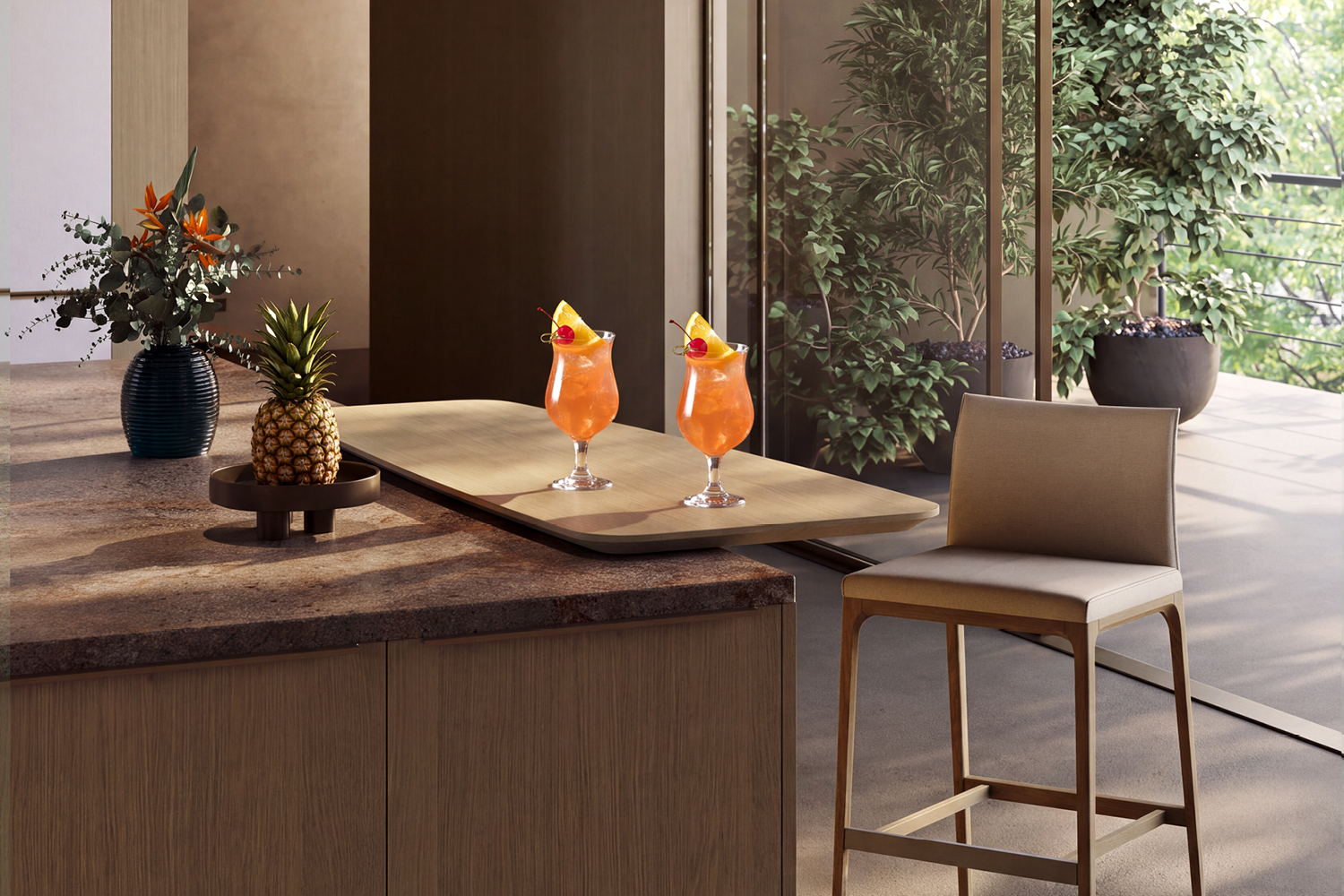
Two Singapore cocktails in the Zecchinon kitchen

Singapore, a date at the Long Bar

At Raffles Hotel, peanut shells can be thrown onto the floor, just as they might be in any pub.

It is a Long Bar tradition, where ceiling fans and wooden furnishings evoke the aesthetic of grand colonial hotels. According to tradition, it was here in 1915 that bartender Ngiam Tong Boon created the Singapore Sling.

The story goes that the drink was designed to allow women to consume alcohol in public without attracting attention. Its pink colour made it look like fruit juice, but the recipe was anything but innocent.

In the glass: gin, cherry liqueur, Bénédictine, triple sec, pineapple juice, lime, grenadine and Angostura. Shake with ice and strain into a tall glass filled with fresh ice.

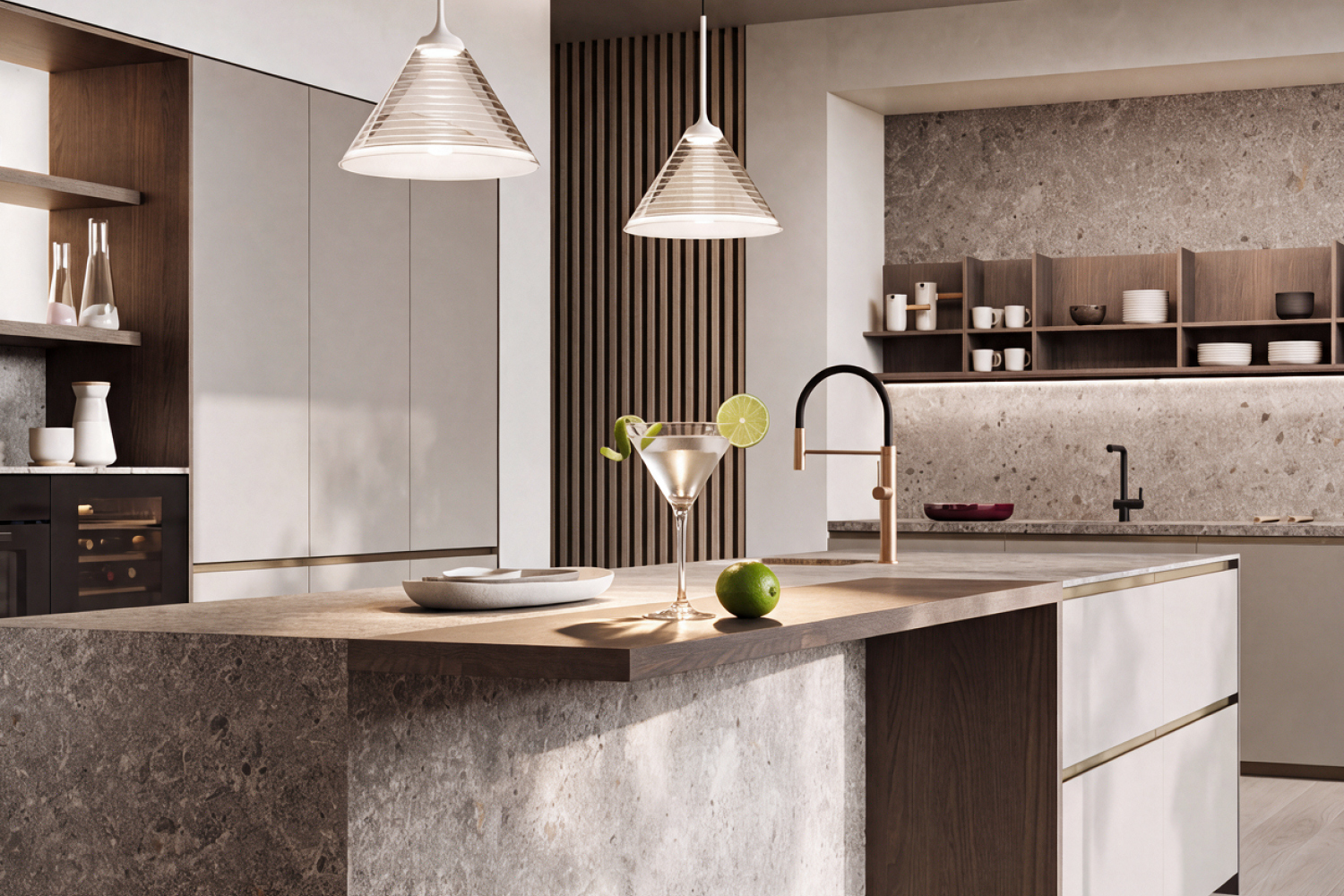
A Martini cocktail with lime in the Zecchinon kitchen in a grey technical material, with dual modern lighting

In London, a Cocktail Martini made to measure

The Cocktail Martini is probably one of the few drinks ordered by first specifying exactly how you want it. More or less dry, with an olive or lemon, in or out. Some people have preferences so precise they never change them.

Its origins are disputed, but the Martini has earned a special place in the British imagination, not least thanks to cinema. James Bond’s famous “shaken, not stirred” made popular a preparation that still divides purists.

In London’s cocktail bars, from Dukes to the city’s grand hotels, service is part of the tradition. And yet all it takes is gin and a small amount of dry vermouth to create a cocktail that everyone can interpret according to their own taste.

In the glass: gin and dry vermouth. For a classic Dry Martini, stir with ice in a mixing glass and strain into a chilled coupe, finishing with an olive or a twist of lemon peel.

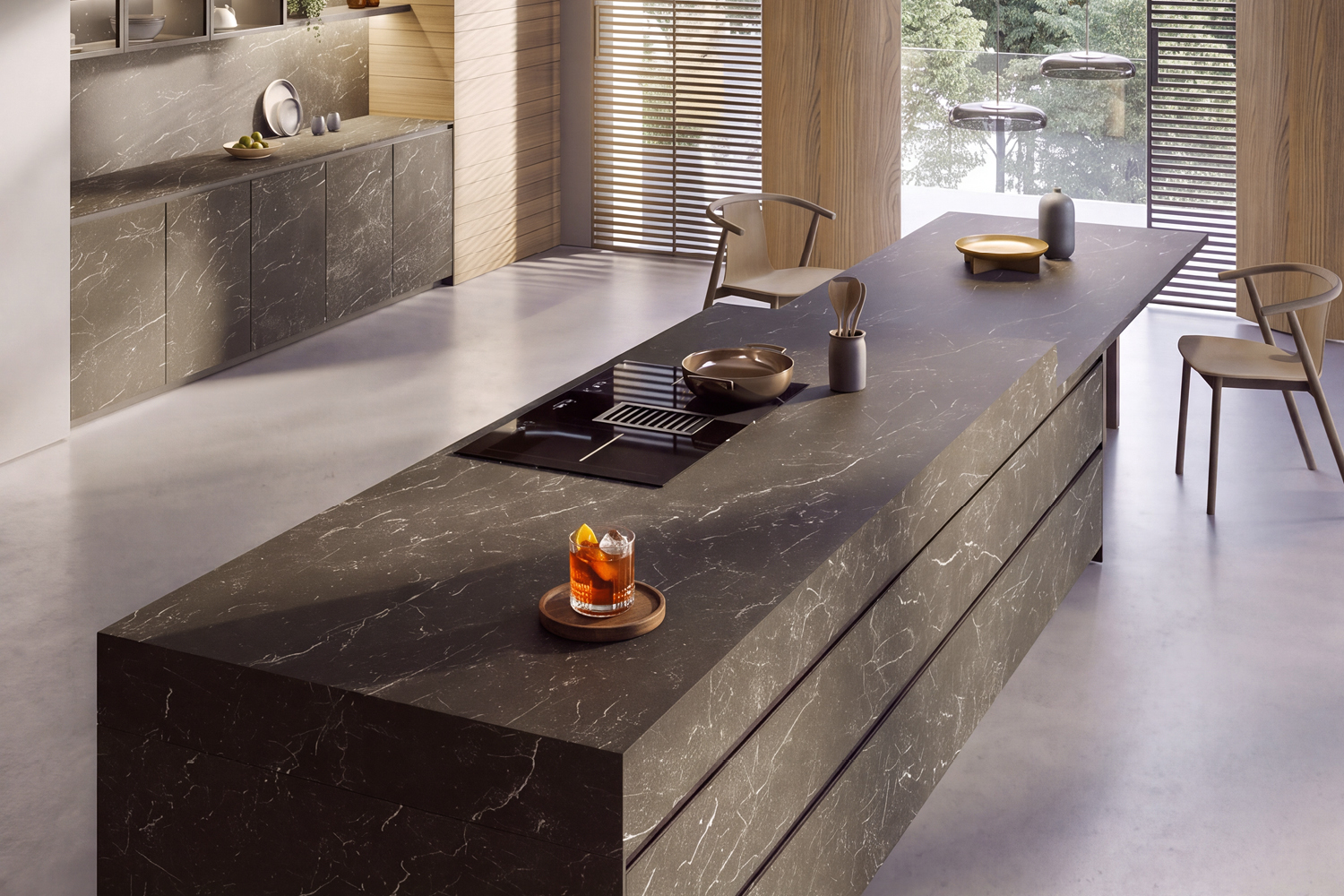
Two Brooklyn cocktails on the Zecchinon kitchen island in a dark technical material

Brooklyn, in the shadow of the Manhattan

In New York, even cocktails have a geography of their own. The Manhattan has become one of the world’s most famous drinks, but by the early twentieth century Brooklyn had already earned a place in cocktail manuals.

At first glance, the Brooklyn Cocktail has little of the exuberant image we often associate with contemporary New York: a slender coupe, the amber colour of whiskey and no theatrical garnish.

Since the cocktail first appeared in recipe books, Brooklyn has changed its face many times. Its brownstones now sit alongside converted industrial architecture and new cultural spaces. The drink that bears its name, however, has remained a more discreet presence on cocktail menus, far from the popularity of the Manhattan.

In the glass: rye whiskey, dry vermouth, maraschino and Amer Picon. Stir with ice and strain into a chilled coupe.

Mi-To Cocktail on the island of a Zecchinon kitchen

Before the Negroni, Turin had the Mi-To

Beneath Turin’s arcades, aperitivo hour has a character all its own. There are historic cafés with wood panelling and antique mirrors, tables overlooking the squares and a tradition of vermouth that dates back to the eighteenth century.

It is within this tradition that the Mi-To finds its place, the cocktail that symbolically brings Milan and Turin together through red bitter and vermouth. A meeting that would later inspire other protagonists of Italian mixology, from the Americano to the Negroni.

Its deep red colour seems made for glasses resting on marble café tables, while outside the afternoon light gives way to the glow of the lamps beneath the arcades.

In the glass: equal parts red bitter and red vermouth. Pour directly into a tumbler over ice, stir gently and finish with orange peel.

Share
Pin
Tweet
Related
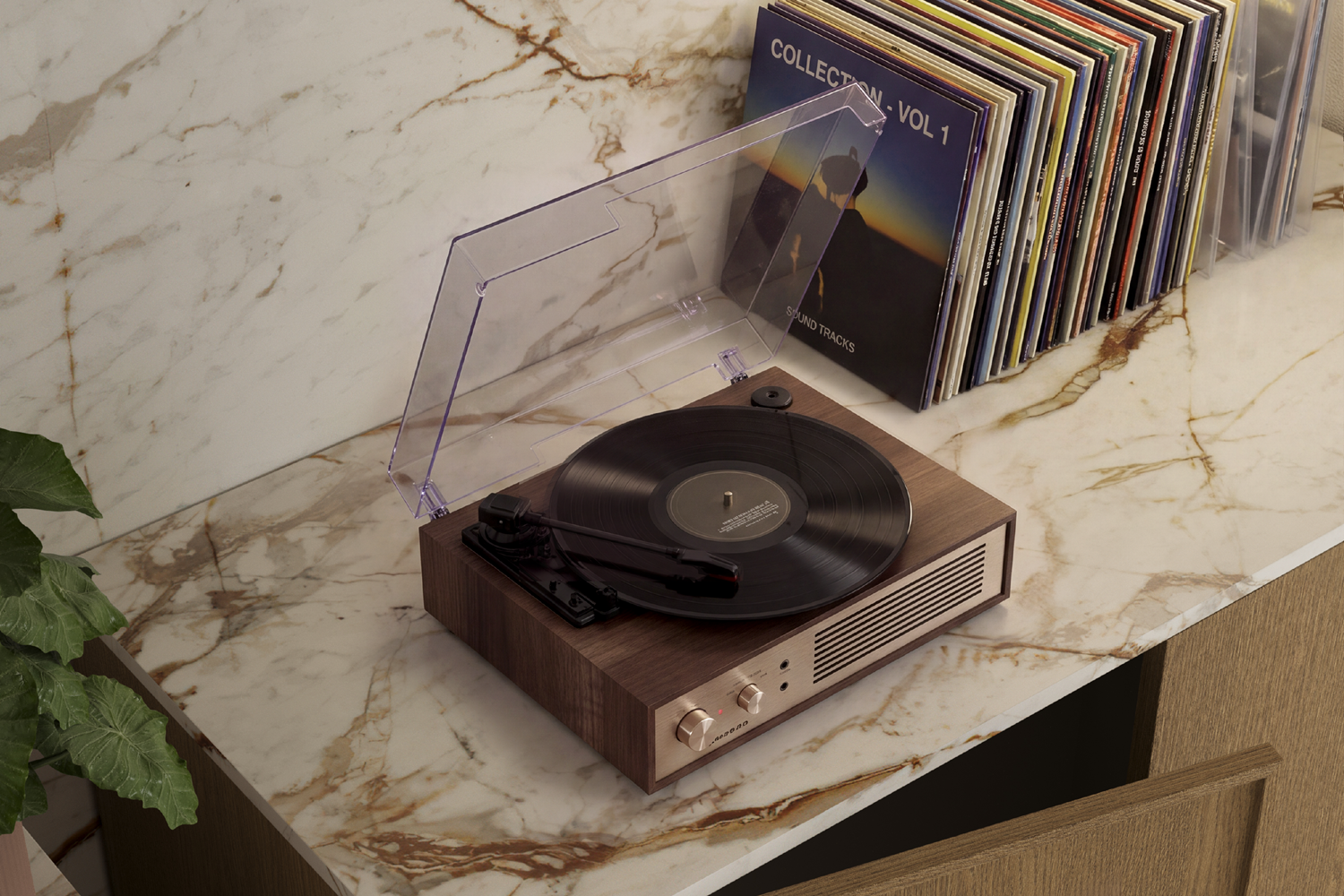
Piano cucina in marmo con vinile e dischi impilati

The return of slow listening

From vinyl records to listening bars, slow listening reflects a renewed desire for attention, conviviality and time, bringing music naturally into contemporary kitchen-living spaces.

Comments

What do you think?

Leave a Reply

Your email address will not be published. Required fields are marked *

instagram: